An above ground pool is one of the most affordable and quickest options for enjoying the summer in your backyard. With round or oval shapes, a variety of sizes and materials available (steel, resin or hybrid), there is a model to suit every type of yard and budget.
Main Materials
- Steel: The most popular choice thanks to its excellent value for money. Strong and affordable, it is more susceptible to scratches and dents, however, and is compatible only with a chlorine sanitation system.
- Resin: Increasingly popular, resin stands out for its durability, corrosion resistance and low risk of deformation. Its purchase price is slightly higher, but it is compatible with both saltwater and chlorine sanitation systems and is particularly well suited to Quebec's climate and winters.
- Hybrid: Combines the benefits of steel and resin with steel uprights and resin top rails. This type of pool offers excellent value for money, while providing more comfortable top rails that are less hot to the touch than those of an all-steel pool.
Please note that the pool wall is generally made of galvanized steel regardless of the material. The main difference in materials is found in the uprights and top rails.
Selection Criteria
- Space: Above ground pools are available in round or oval shapes, with dimensions generally ranging from 12 to 30 feet. Small round pools are ideal for limited spaces, while oval models help maximize space in narrower yards. Larger round or oval pools are better suited to more spacious properties. Check out our blog article to learn more about choosing the ideal size.
- Budget: An above ground pool is one of the most affordable options, with starting prices generally ranging from $3,900 to $8,000. This price typically includes the structure, liner, plumbing, skimmer, pump and filter. Resin models are generally more expensive than steel models. Additional costs may include installation, site preparation, additional equipment and, depending on the municipality, a permit. To estimate your project budget, check out our article on the cost of an above ground pool in Quebec.
- Aesthetics and durability : Above ground pools now offer a much more modern design than in the past. Steel models provide excellent value for money, while resin models stand out for their more elegant finish. The average lifespan of an above ground pool is approximately 15 to 20 years, with resin models potentially lasting even longer with proper maintenance.
Comparison: Resin vs. Steel
- Resistance: Although steel is strong, it is more susceptible to scratches, dents and corrosion over time, especially with repeated contact or exposure to the elements. Resin, on the other hand, offers greater resistance to impacts and deformation while maintaining its shape and structural integrity over the long term.
- Maintenance: Steel is generally recommended with a chlorine sanitation system, which helps limit the risk of corrosion associated with salt. Resin, on the other hand, is specifically designed to withstand saltwater corrosion, making it ideal for saltwater systems, which are increasingly popular for being gentler on the skin and eyes.
- Longevity: Both materials have an average lifespan of 15 to 20 years when properly maintained. Resin can, however, exceed this range thanks to its natural resistance to rust, UV rays and temperature fluctuations, making it an interesting choice for a long-term investment.
How Do You Maintain an Above Ground Pool on a Daily Basis?
Clear, clean water starts with a few good habits. Maintaining an above ground pool does not necessarily require a lot of time, but certain tasks should be performed regularly to keep the water clean and healthy throughout the season. Maintenance frequency may vary depending on the weather, season and pool usage.
Essential Tasks for Regular Maintenance
Water Testing
Test the water at least once a week, and more frequently after heavy rain, periods of extreme heat or intensive pool use. Test strips or smart water analysers make it easy to quickly check the water's main parameters.
Filter Cleaning
Depending on the type of filter, perform a backwash or clean the cartridge approximately every 2 to 3 weeks during the summer.
Adjusting Chlorine, pH and Alkalinity
It is strongly recommended to test the water before adding chemicals to determine its actual condition. Adjustments may be required every week, or even more frequently, depending on weather conditions and pool usage.
- Ideal pH: between 7.2 and 7.8
- Ideal chlorine level: between 1 and 3 ppm
- Ideal total alkalinity: between 80 and 120 ppm. It helps stabilize pH and limit rapid fluctuations.
Filtration
Run the pump and filter daily to help keep the water clean and clear. During peak season, filtration for approximately 8 to 12 hours per day is generally recommended, depending on the pool size, water temperature and weather conditions.
Essentials for Healthy Pool Water
To make pool maintenance easier, certain products and accessories are essential:
- Test strips: to regularly check the water's main parameters.
- Chlorine: to keep the water clean, healthy and clear.
- Algaecide: to prevent and treat algae growth, particularly after winter or during periods of extreme heat.
- Shock treatment: to quickly restore water balance when it has been disrupted.
To make pool cleaning easier, certain accessories can make a real difference. A pool brush helps clean the walls and bottom of the pool, while a leaf skimmer quickly removes debris floating on the surface. For dirt that accumulates on the bottom, a pool cleaner makes it easier to remove.
Tips to Simplify Your Pool Maintenance Routine
- Use a smart water analyser to easily monitor the water's main parameters.
- Install a chemical dispenser to make adding and distributing maintenance products easier.
- Choose a robotic pool cleaner to automate part of the pool cleaning process.
- Add a leaf net if your pool is located near trees to limit the accumulation of debris in the water.
- Regularly check the water level and skimmer basket to promote effective filtration and ensure the system operates properly.


 Sale Orizon Above Ground Pool - Round $1,499.00
 Sale Maho Above Ground Pool - Round $1,999.00
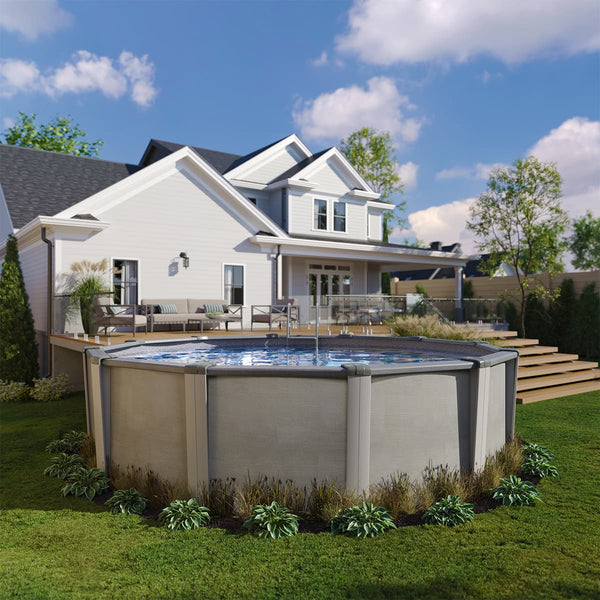 Sale Soho Above Ground Pool - Round $1,999.00
 Sale Banff Above Ground Pool - Round $2,199.00
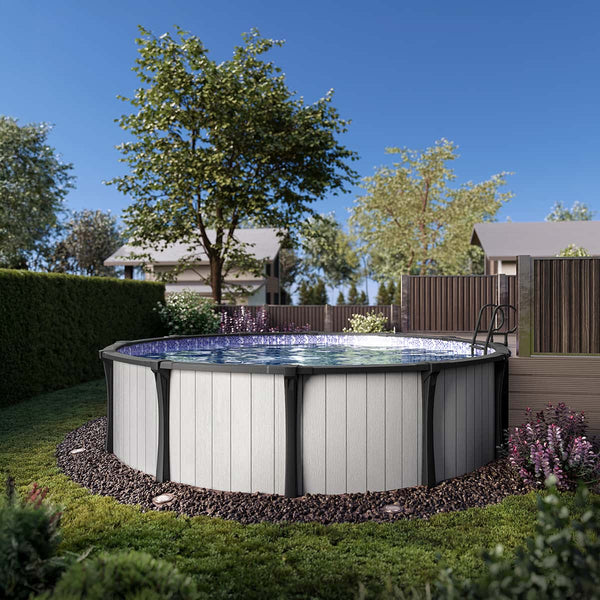 Sale Pure Above Ground Pool - Round $2,399.00
 Sale Tennessee Above Ground Pool - Round $2,399.00
 Sale Villa Above Ground Pool - Round $2,399.00
 Sale Luna Above Ground Pool - Round $2,399.00
 Sale Linea Above Ground Pool - Round $2,399.00
 Sale Country Above Ground Pool - Round $3,099.00
 Sale Pine Concrete Above Ground Pool - Round $3,099.00
 Sale Soho Above Ground Pool - Oval $3,699.00
 Sale Maho Above Ground Pool - Oval $3,699.00
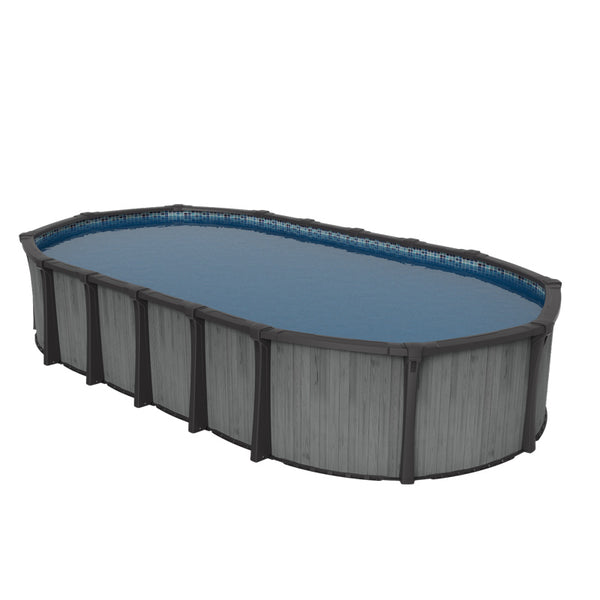 Sale Villa Above Ground Pool - Oval $3,799.00
 Sale Tennessee Above Ground Pool - Oval $3,799.00
 Sale Pure Above Ground Pool - Oval $3,799.00
 Sale Luna Above Ground Pool - Oval $4,199.00
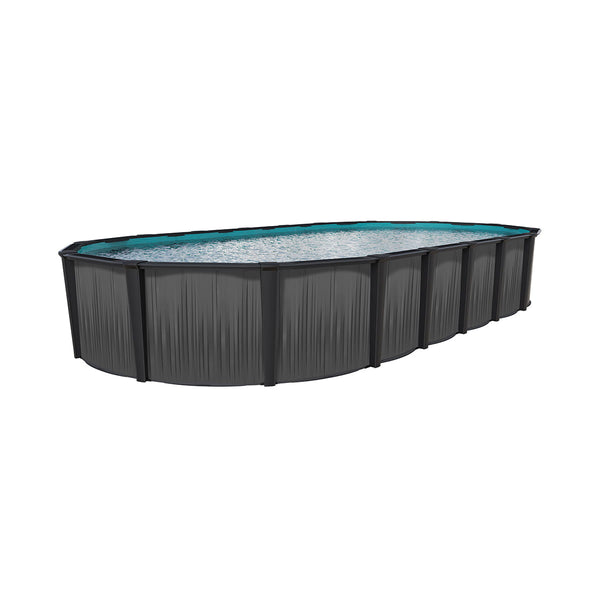 Sale Linea Above Ground Pool - Oval $4,199.00
 Sale Pine Concrete Above Ground Pool - Oval $4,999.00
 Sale Country Above Ground Pool - Oval $4,999.00


